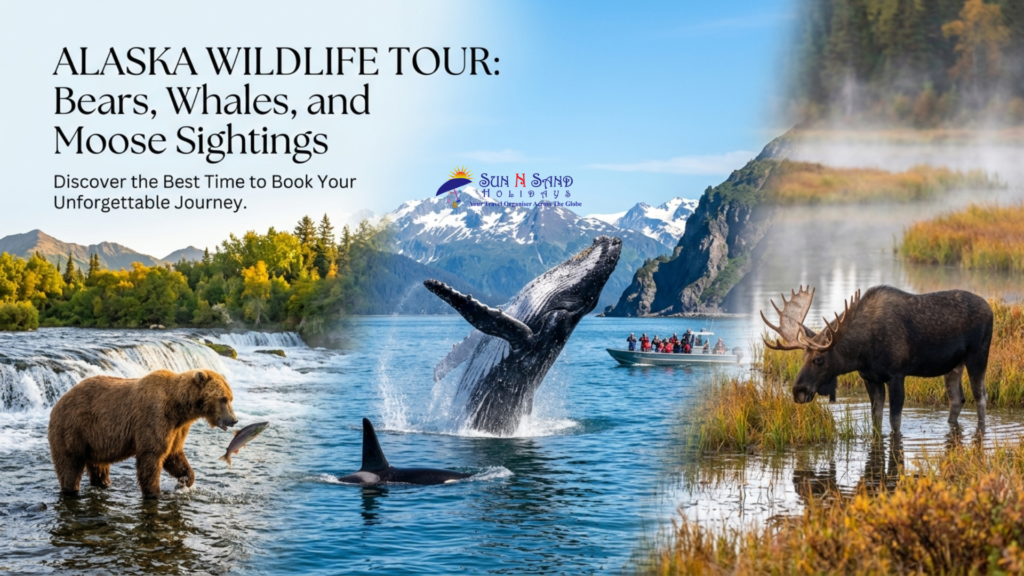
Summary:Wildlife tours in Alaska shift with the seasons, shaped by which animals draw your interest. Bears, whales, and moose appear most often under summer’s long light. Springtime slips in with fewer people, opening space for hushed moments among creatures settling into change. Autumn carries a similar calm, where crisp air sharpens the senses. Planning Alaska wildlife tour around these rhythms deepens what you witness, pulling you closer to the pulse of the wild.
There’s a rhythm to Alaska that only nature understands. It’s written in the tides, etched into mountain shadows, and carried on the backs of migrating whales. Timing your journey right isn’t just a travel decision, it’s the difference between seeing wildlife and truly experiencing it. If you’re planning an Alaska wildlife tour, understanding seasonal patterns can transform your trip from ordinary to unforgettable.
Alaska Wildlife Season Patterns
Alaska’s wildlife is deeply tied to its seasons. Each month offers a distinct ecological window, where certain species become more active, visible, and accessible.
Spring (May to Early June): The Awakening
Brighter days arrive when Alaska shakes off its icy sleep. From their dens, bears shuffle out – hungry, thin, scanning shorelines for food. Along rivers, you might spot them sniffing through wet ground cover. In soggy clearings, moose lift their heads from tender shoots, ears twitching at passing sounds.
Far out on the water, whale sightings start to increase – gray ones moving up north take center stage. Though most kinds aren’t at their busiest yet, springtime brings thinner crowds along with land that feels rough around the edges.
Spring offers quiet trails, plus chances to spot bears waking early. Whales pass through nearby waters during this time. Exploring feels calm, almost hushed, with fewer people around.
Summer (Mid-June to August): Peak Wildlife Activity
Folks often pick summer when planning an Alaska wildlife tour. Because the sun sticks around so long, sometimes almost twenty hours, there’s more time to spot creatures outdoors.
Midsummer brings the most bears into view, particularly once salmon start moving upstream. Where water meets land – places such as Katmai, spots near Brooks Falls – you’ll find them thick by streams. Feeding pulls them close, one after another, drawn by the rush of fish. Not a soul needs to guess where they’ll turn up; hunger guides their steps.
Summer brings humpback whales leaping into action, gulping food where ocean nutrients run high. Not far off, orcas cruise through these same stretches – seen often when skies stay bright.
Finding moose isn’t hard if you look at dawn or dusk, particularly around marshy spots. These large animals tend to move when light is low, sticking close to water edges. Shadows stretch just right then, helping spot their broad shapes among reeds and trees.
Fall (September): The Golden Transition
Spring marks the reopening of Alaska’s wilderness after a long winter. Bears begin emerging from hibernation, often appearing lean and actively foraging along coastal areas and riverbanks. Moose become more visible as they graze on fresh vegetation in marshy regions.
Besides scouting for food, bears stay busy ahead of winter sleep. When moose start mating season, they show up more often, acting bolder than usual. Whales? You might spot one now and then, just not quite as many as back in July.
Morning light brings moose out near lakeshores, moving slow through mist. Fewer people walk these trails in summer’s early stretch. Land feels wide open here, trees climbing hills without pause. Views unfold suddenly around bends, catching eyes unawares.
Best Times to Reserve for Particular Animals
Bear activity picks up when salmon start moving – best chance lands in late June through July. Timing shifts with river flow, so watch water levels if tracking sightings. Fish draw bears close by this time of year, making encounters more likely. Not every stretch works equally well; some spots see heavier traffic just after spawning begins.
Hitting the water between June and August? That is when whale sightings climb. Chances get better this time of year. Summer months bring more whales near shore. Spotting them becomes easier under clear skies. Longer days help too. This stretch stands out for activity. Few times match it.
Bucks clash under autumn skies when September rolls around. Their showdowns stand out most then.
Plan Around Animal Activity Patterns
Early booking makes sense when planning Alaska wildlife tour to see Alaska’s animals up close. Most guided adventures get fully reserved once summer arrives. Waiting too long might mean missing out on popular outings through wild spaces. Summer brings crowds, so spots go fast for trusted local guides. Plan ahead if walking forests or coastlines with an expert is the goal.
Whales and bears? Head toward the coast. Inland spots work better if you’re after moose. Location changes everything.
Start with a guided tour. Because they know how animals act, guides boost sighting odds. Their experience makes spotting wildlife more likely. Go when someone skilled leads the way.
Flexibility matters most when dealing with wild animals – they won’t stick to schedules, so leave extra time just in case. Some days might turn slow. Others could surprise you. Better to wait than rush.
Timing Influences Outcomes More Than Expected
Wildlife in Alaska doesn’t operate on a fixed schedule—it responds to climate, food availability, and migration instincts. Missing peak windows could mean fewer sightings or limited access to key viewing areas.
Choosing the right time ensures:
- Higher probability of encounters.
- Better photography conditions.
- Better worth across every trip part.
Final Thoughts
A moment in Alaska might show a bear leaping for fish, water dripping from its jaws. Sometimes, near dusk, a humpback heaves itself skyward behind fading light. A moose stands still in tall grass, chewing slowly, unaware. These scenes do not follow schedules – showing up at the right time makes them yours. Seeing wild things live as they always have – that changes how you see the world.
For travellers, especially those joining Indian travel groups in USA, planning becomes even more meaningful when aligned with Alaska’s wildlife seasons. Many such groups prefer well-organized itineraries that balance sightseeing with guided wildlife experiences, ensuring comfort, cultural familiarity, and efficient travel logistics. By choosing the right season and traveling with experienced planners, Indian travel groups in USA can enjoy a seamless journey while maximizing wildlife sightings, turning an already special trip into a truly unforgettable adventure.
FAQs
1. What is the absolute best month for an Alaska wildlife tour?
A summer visit lines up with active bears near rivers. Migratory birds fill skies during these weeks. Longer daylight opens more viewing chances. Wildlife moves freely when temperatures rise. This stretch offers steady weather patterns too. Animals are easier to spot once snow melts away.
2. Is it possible to spot bears, then whales, followed by moose – all on a single journey?
Finding all three species peaks when travelers arrive during summer months – especially July through early August. Timing shifts slightly based on weather patterns that year, yet late June onward improves odds noticeably. Some years push sightings later into September due to cooler springs. Early arrivals might miss one or two animals if they come before conditions stabilize.
3. Are Alaska wildlife tours suitable for first-time travelers?
For sure. Lots of Indian tour operators based in the U.S. put together smooth trips made just for people going back home for the very first time.
4. Is spring a good time for wildlife viewing in Alaska?
Fewer animals move around during spring compared to summer. Early bears appear then, along with whales passing through. Not much else stirs beyond those sights.
5. How far in advance should I book an Alaska wildlife tour?
Last-minute plans often mean fewer options – aiming for a booking window of four to six months helps. Summer trips get busy, so locking things down early makes sense.